USING INTRAUTERINE DEVICES (IUDs)
What is an IUD?
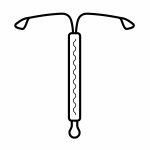
An IUD is a small T-shaped device that is inserted through the vagina into the uterus by a healthcare provider. The IUD can stay in place for up to 3-10 years (depending on which kind you get) and can be removed at any time by a health care provider. There are two types of IUDs available: Copper and Progestin (hormonal).
How effective are IUDs?
IUDs are the most effective long-acting, reversible method of birth control available in Canada. They are over 99% effective at preventing pregnancy (the Copper IUD is 99.2% and the progestin IUD is 99.8%), which means that less than 1 out of 100 people who use it as their only form of birth control will get pregnant in one year.
When used for emergency contraception the Copper IUD is more than 99% effective if inserted within 7 days of unprotected sex. It can then be removed or left in place for excellent ongoing birth control. For more information about accessing emergency birth control in BC, visit EmergencyIUD.com or contact Sex Sense at SexSense.org or 1-800-739-7367.
How can I get an IUD?
You can visit a clinic to get an IUD and talk with a healthcare provider about whether an IUD is right for you. An IUD can be inserted by a qualified healthcare provider at any time during your menstrual cycle. Some Options clinics may provide this service. To find an IUD inserter near you contact Sex Sense. Removal of an IUD is usually quick and easy and can be done by your healthcare provider.
- The most effective reversible birth control method available
- The IUD stays in place – there is no need to remember anything
- Does not affect your ability to get pregnant in the future – once removed your fertility quickly returns
- Over time they are one of the most affordable methods of birth control and are often covered under extended health plans
- IUDs are private/discreet – there are no signs that you are using this method
- Typically easy for a healthcare provider to remove and any side effects go away very quickly after removal
- You have complete control over the method and no one can interfere with its effectiveness.
- Sexual enjoyment may increase, as IUDs can reduce the fear of pregnancy
- Depending on where you live it may be harder to find a qualified health care provider to insert an IUD and you may need to wait to get an appointment
- Requires a pelvic exam and a short procedure to insert and remove
- Does not protect against sexually transmitted infections (STIs)
- Rare and manageable complications may include the IUD going into the wall of your uterus during insertion, or the IUD coming out
What do I need to know about getting my IUD put in?
- When your IUD is inserted you may have temporary pain and/or discomfort. Some clinics may recommend taking an over the counter pain medication (such as ibuprofen) prior to getting an IUD put in. Some people may also have cramping and/or spotting after the insertion.
- The insertion usually only takes a few minutes.
- Some clinics may ask you to come back within 4 weeks to have your IUD checked.
|
Copper IUD |
Progestin (Hormonal) IUD – brand names Mirena and Kyleena |
|
|
What are they made of? |
Copper and plastic. | Plastic and a small amount of the progestin hormone levonorgestrel. |
|
How do they work? |
Copper IUDs prevent pregnancy by stopping sperm from fertilizing an egg and reducing sperm movement. They also change the lining of the uterus. | Progestin IUDs prevent pregnancy by thickening the cervical fluid to block sperm entering the uterus and changing the lining of the uterus. |
|
How long can they be used for? |
Depending on the type, up to 3 – 10 years. | Up to 5 years. |
|
How soon are they effective? |
A copper IUD starts working as soon as it is inserted and can even be used as emergency contraception for unprotected sex that happened in the last 7 days. | A hormonal IUD is effective in preventing pregnancy after one week of use, so you need to use a backup method of birth control such as condoms, or not have sex for 7 days after insertion. |
|
How much do they cost? |
In BC, for people with MSP, Copper IUDs are free. For those without MSP the cost is ~$90 | In BC, for people with MSP, hormonal IUDs are free. For those without MSP the cost is ~$400 |
|
How do they affect periods? |
Copper IUDs can make periods heavier, longer, and crampier. People who already experience heavy and/or crampy periods may prefer a progestin IUD. | Although most people will get some spotting in the first few months after their IUD has been inserted, periods will eventually become lighter, shorter, and less crampy over time. This makes it a good choice for people with heavy and/or painful periods. About 20% of people with the Mirena IUD will have no periods after the first year of use which is safe. Over time most people stop bleeding completely. |
|
Do they have hormonal side effects? |
Copper IUDs contain no hormones. | Mirena and Kyleena have no estrogen and the amount of progestin hormone is much less than in birth control pills, patches, rings, or shots. Only about 5% of people will notice any hormonal side effects (e.g., headaches, breast tenderness, mood changes, or acne). |
Seek medical attention immediately if you have any of the following PAINS symptoms, as they could indicate a serious complication:
Period late (pregnancy), abnormal spotting, or bleeding*
Abdominal pain, pain with intercourse
Infection exposure, abnormal discharge
Not feeling well, fever, or chills
Strings missing or seem longer than usual.
* Both types of IUDs can cause changes in bleeding patterns but if you suspect pregnancy or have concerns about bleeding, please see your health care provider.
Have a question about sexual health?